RTP Explained: The Math Behind Slot Returns
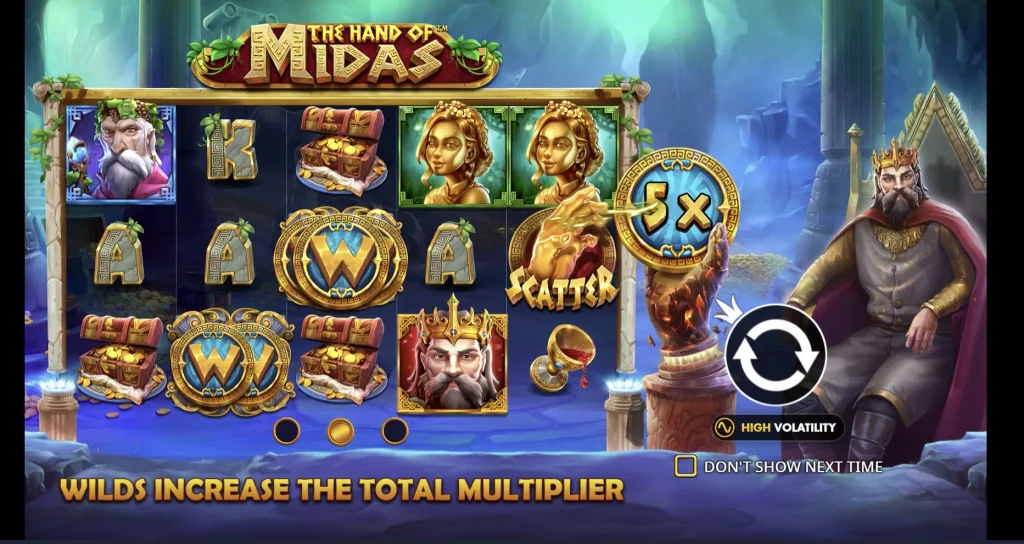
What RTP Means
RTP, or Return to Player, is the long-run average share of total bets that a slot returns as wins. If a game lists 96% RTP, it means that across a huge number of spins, the machine is designed to give back about 96 cents of every dollar bet. It is not a short-session promise; it describes the game’s math over many spins.
Example (illustrative only): imagine 1,000,000 spins at $1 each on a 96% game. Total bet is $1,000,000. Over that whole sample, the machine is expected to pay about $960,000 as prizes. One player’s hour inside those spins might be far above or below that line, because individual outcomes swing widely.
How Designers Build RTP
Slot designers split each bet into many tiny “probability slices.” Some slices return nothing, some return small line wins, and a few fund features and rare jackpots. Add up the chance of each outcome multiplied by its prize, and you get the RTP. Adjusting symbol weights, reel strips, or feature frequency nudges that average.
RTP formula in plain words
RTP is the sum of (probability of outcome × payout of that outcome) across all possible outcomes. Example (illustrative): if a mini-feature triggers 1 in 200 spins and pays $30 on a $1 spin on average, it contributes 0.5% to RTP, because 0.5% = (1/200) × 30.
Volatility, Hit Rate, and Session Feel
Two slots can share the same RTP yet feel very different. Volatility describes how bumpy the ride is. A low-volatility game pays smaller prizes more often; a high-volatility game goes quiet longer and then lands bigger spikes. Hit rate is the chance any spin returns a win of any size; it shapes how frequently you see activity but does not say how large those wins are.
Why this matters to you
RTP addresses the long-run average, while volatility and hit rate shape short-run experience. Example (illustrative): Slot A and Slot B both have 96% RTP. Slot A hits 35% of spins with many $0.50–$1.50 wins on $1 bets; Slot B hits 20% but sometimes drops $50 wins. Over thousands of spins, both average similar returns, yet your balance graph and pacing will differ a lot.
Reading Paytables and Features
The paytable shows symbol values, the number of reels and lines, and how features work. Together, these pieces explain where RTP “lives.” Frequent small line wins usually hold a noticeable portion of RTP. Features—free spins, multipliers, pick bonuses—often store a larger chunk behind rarer events.
Using the info without overthinking it
You do not need to crunch numbers. Check a few basics and match them to your mood. If you prefer steady feedback, look for higher hit rate notes or paytables with many medium-value lines. If you enjoy big-swing moments, features with multipliers or expanding reels point to a chunk of RTP sitting in less frequent but larger wins.
| Aspect | What it affects | Practical reading |
|---|---|---|
| RTP | Long-run average returns | Higher is better for the same game type, but not a promise |
| Volatility | Swing size and droughts | Low = frequent small wins; High = rarer big hits |
| Hit rate | How often something lands | Higher hit rate feels busier, but prizes may be small |
Practical Ways to Use RTP
RTP is most helpful when choosing between similar games. If two titles feel alike and one lists a higher RTP, that figure is a reasonable tie-breaker. It does not tell you how your next 50 spins will go, but it signals how the math averages out in the long run. For neutral browsing of casino listings, some players visit directories such as ninecasinobonuses.com; its contents were not checked here.
- Match volatility to your preferred pace: steady trickles or rare spikes.
- Treat features as long-run contributors, not quick fixes.
- Set time and spend limits before you start.
- Accept that short sessions swing above and below the average.
- Check the info panel for RTP and feature notes.
- Skim the paytable for symbol values and line structure.
- Decide on the pace you want today; pick volatility accordingly.
- Keep sessions finite so outcomes feel manageable.
Conclusion: Use RTP to compare similar slots and set calm expectations; then let volatility and hit rate guide the session rhythm you prefer.